No Book Ideas? 5 Ways to Find a Story You Want to Write
Published September 30, 2026
You want to write a book. Unfortunately, the book has not yet informed you what it would like to be about.
You scroll through prompts. You collect possible titles. Every idea seems either too familiar or too large to handle.
What can you start with when you have no book ideas?
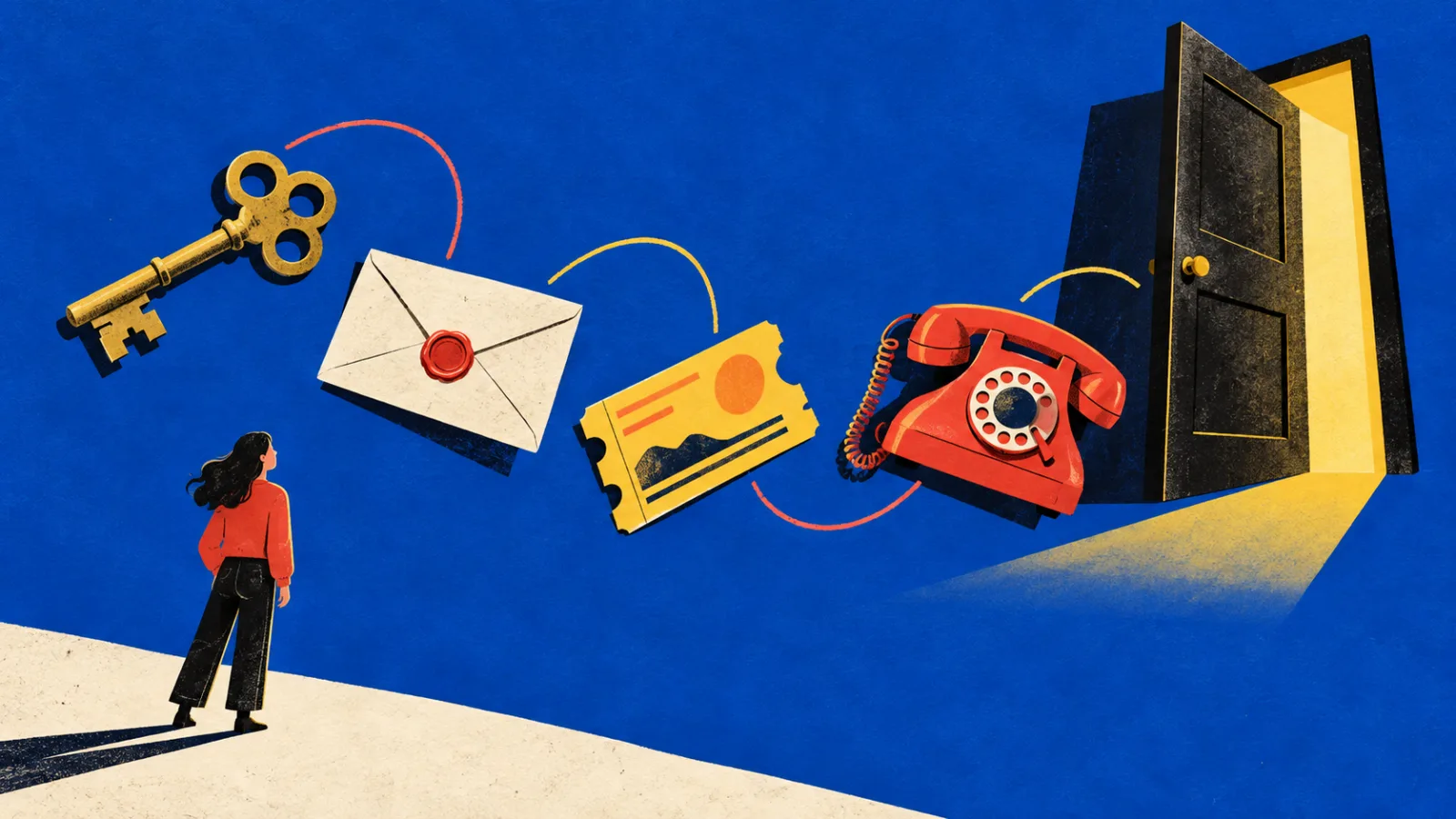
Start with a preference. A feeling, a problem, a type of character. You can build a premise from something much smaller than a complete plot, then use Lorika’s writer’s assistant to explore a direction worth developing.
Here are five places to look.
1. Start with a genre you keep returning to
Look at the books you choose when nobody is assigning your reading.
Perhaps you love cozy fantasy because the problems matter without making the whole world unbearable. Perhaps science fiction gives you the pleasure of seeing an ordinary rule turned upside down.
Choose one thing you enjoy about that experience. Then create your own situation around it.
For example, the comfort of a magical neighborhood might lead to a repair shop that fixes objects everyone else considers cursed. The shopkeeper’s first difficult customer could arrive carrying a perfectly ordinary kettle.
Which is, naturally, the worrying part.
You’re borrowing an appealing kind of experience, not another author’s cast or plot.
2. Choose an emotion you want to leave behind
Maybe you don’t know the genre yet. You do know you want the reader to feel hopeful, unsettled, delighted, or deeply relieved when two stubborn people finally speak honestly.
Work backwards from that feeling.
If you want relief, what has the character been carrying? If you want wonder, what ordinary assumption could the story challenge? If you want warmth, who needs a place to belong?
An emotion isn’t a plot by itself. It gives you a way to judge possible plots. A direction full of betrayal may be exciting, but it might not be the book you meant to write this time.
3. Make an everyday problem harder to ignore
Missing the last bus is inconvenient. Missing the last bus when it’s the only transport between the living world and the dead gives you somewhere to go.
Take a familiar frustration and change its consequences.
An unpaid bill. An unwanted houseguest. A message delivered to the wrong person. These situations already contain pressure because people want something to happen differently.
Choose the version that gives a character a decision. Our stranded passenger might have to trust someone who has been waiting at the stop for thirty years.
Now the situation can move.
4. Put a particular person in trouble
Sometimes a character arrives before the story.
A polite thief. A retired monster hunter. A wedding photographer who hates secrets and keeps being paid to preserve them.
Ask what would be especially difficult for that person. A thief forced to return something could be more interesting than a thief asked to steal again.
Then make the trouble personal. What do they stand to lose besides convenience? Whose opinion matters? What would they rather hide?
A specific person under pressure gives Lorika more useful direction than a request for something exciting.
5. Change one rule of everyday life
What if people received tomorrow’s apology today? What if the sea returned everything lost in it, but only to the wrong owners?
Keep the change simple enough to explain in a sentence. Then follow it into one person’s life.
You don’t need the history of the phenomenon immediately. You need the first consequence your character can’t ignore.
That’s how a curious thought becomes a story opening.
Choose the idea you want to spend time with
Write a short description of whichever starting point keeps pulling your attention back. Include the person, the situation, and the feeling you want the book to create.
In Lorika, you can use that brief to explore proposed directions and choose what you want to develop. You still get to reject the version that sounds impressive but leaves you cold.
There’s no prize for choosing the most complicated idea. The useful choice is the one that makes you curious about the next chapter.
Give Lorika your starting idea and turn that small spark into a book direction you want to follow.