Spending More Time Correcting Claude Than Writing Your Novel? Meet Lorika Studio.
Published October 11, 2026
The chapter is almost right.
Except the suspect knows something nobody told him. The argument ends in an apology you didn’t want yet. And the character who was meant to stay outside has somehow joined the conversation.
You fix the passage. Then you spend the next session checking what the fix changed.
If that sounds familiar from writing your novel with Claude, the frustration is understandable
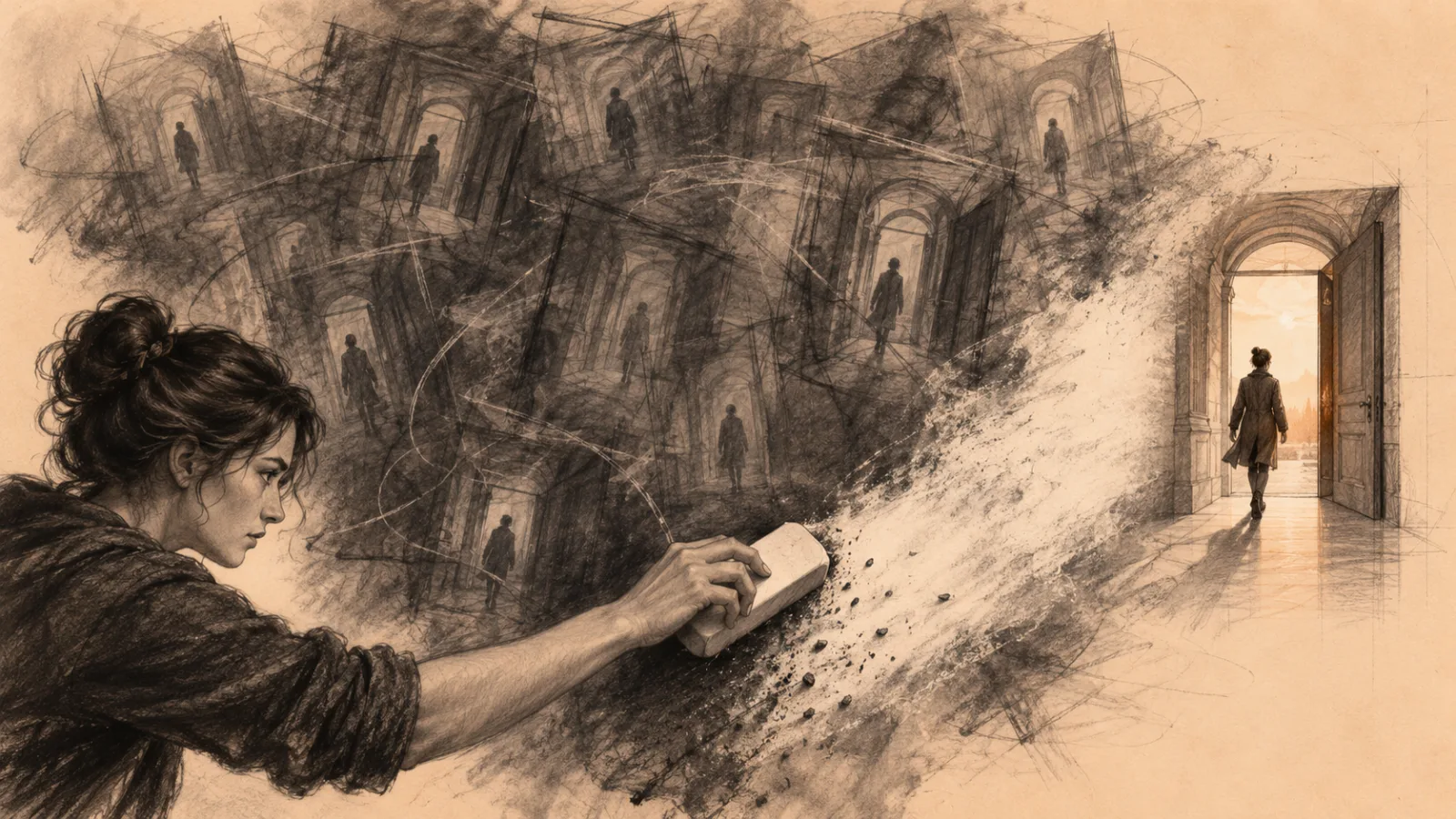
What can you change when writing becomes a correction loop?
Make the intended chapter direction easier to inspect before and after the prose develops. Lorika Studio gives you a guided book workflow with character information, setup review, chapter development, and summaries around the work you’re creating.
Identify the correction you keep making
A correction loop can have several causes. The useful starting point is the repeated problem in your own project.
Are scenes ignoring the agreed plan? Are characters volunteering information you wanted to withhold? Are emotional conflicts resolving before you have earned the change?
In a discussion about long-form writing, one Claude user describes repairing chapters that departed from their plan. That report does not tell us what every user or model will produce. It does describe a problem worth recognizing before it becomes your whole writing routine.
Choose one example from your book. You want to improve a specific working process, not put every creative decision on trial.
Give the chapter a job you can check
Consider an original mystery about a museum guide investigating a missing painting.
The next chapter’s job is for the guide to discover that the alarm log was altered. The chapter should increase her suspicion without identifying who changed it.
That is a useful direction because you can assess the result. Has she found the alteration? Does the information available to her support her reaction? Has the narration slipped in knowledge that belongs to a later reveal?
If you only ask for an exciting chapter, several different results could satisfy the request while taking your story somewhere you didn’t intend.
A clear chapter job gives you a smaller, more meaningful review.
Review the setup before carrying it forward
Lorika begins with the book’s premise, characteristics, proposed direction, and characters. The setup review is a chance to make the important decisions explicit before developing more of the manuscript.
For the museum story, the guide may be observant but inexperienced with investigations. The security officer may want to help while protecting a colleague. Those details influence what each person notices and reveals.
Use the character information to establish wants and relationships that will matter in the scene. A page of appearance details won’t answer why the officer avoids one particular question.
When you read the proposed direction, check whether it respects the kind of mystery you want to tell. An early confession could make a good story, but it might not be this story.
Correct the cause as well as the sentence
If a chapter gives away the culprit, deleting one suspicious line may not be enough. The whole scene might be organized around knowledge the viewpoint character shouldn’t have.
Ask where the unwanted choice began.
Was the character’s motive unclear? Did the scene move beyond its intended endpoint? Was an earlier decision never reflected in the working setup?
Then review the next development with that cause in mind. Lorika’s chapter summaries and project information help you keep the developing book visible while you make those decisions.
You still need to read and edit. The practical advantage is a structured place to do that work and a clear next chapter to continue.
Judge the result by the work it helps you finish
A different interface does not remove your role as the author directing the book. It can change how comfortably you carry that role.
For your next project, look for a process that helps you explain the intended scene, inspect the result, and continue without repeatedly reconstructing the whole novel.
That is a more useful comparison than asking which tool wins every possible writing task.
Try your next book in Lorika Studio and give the story a workflow you can review, shape, and carry forward.