You’ve Built a Fantasy World. Turn It Into a Novel to Publish on Booknet.
Published October 22, 2026
You know the royal family tree. You know which mountain range divides the old kingdoms. You have strong opinions about the river trade.
Someone asks what your fantasy novel is about.
You begin explaining the calendar.
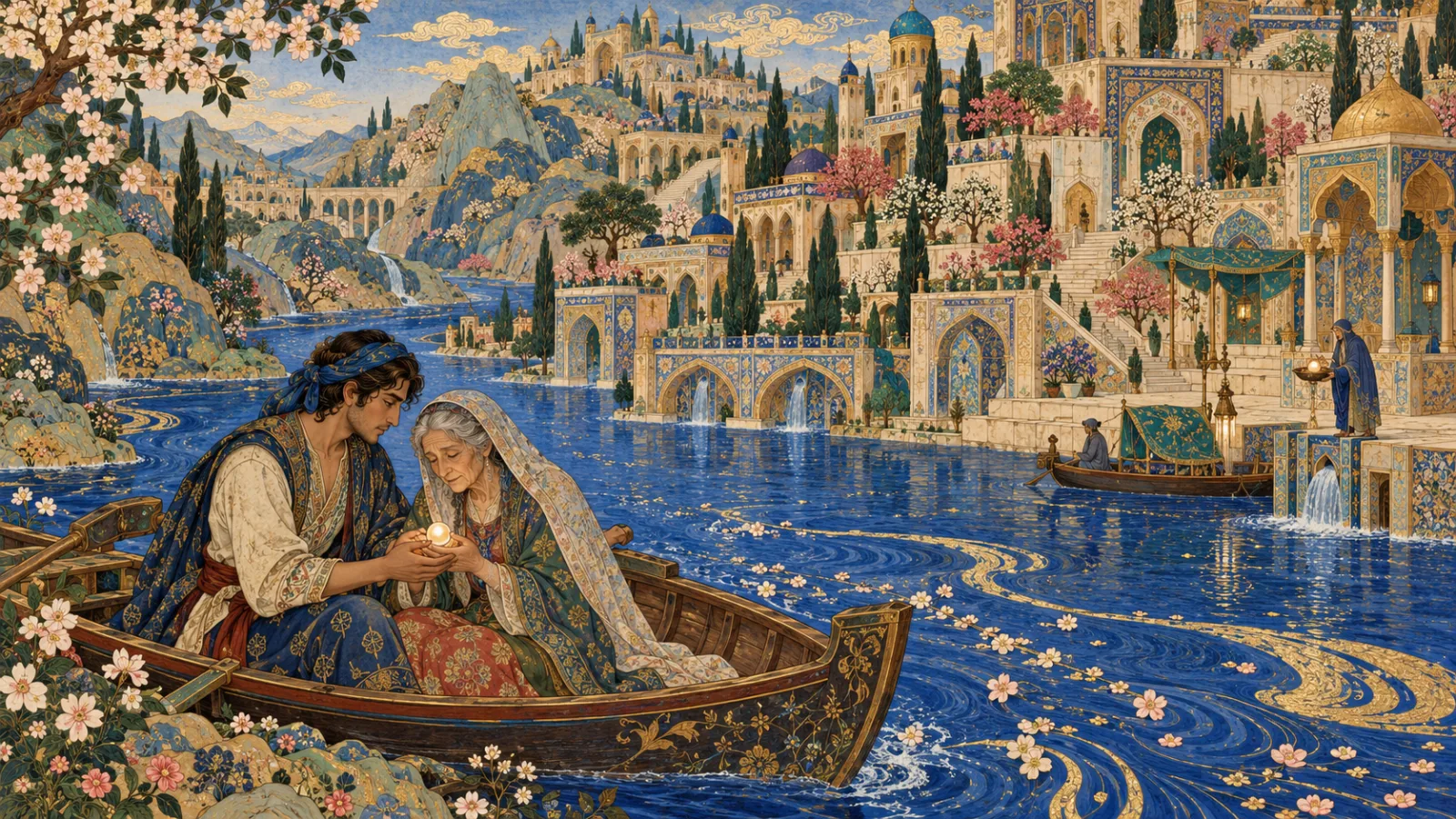
It happens. Worldbuilding is enjoyable, and every new detail gives you another possible detail to explore. The actual story can keep waiting just beyond the next map.
How do you turn a fantasy world into a novel someone wants to follow?
Choose one person whose life is made difficult by that world, then follow what they do about it. Lorika’s writer’s assistant can help you develop that conflict into a book, with Spanish-language publication on Booknet as a clear destination.
Find the rule that hurts someone
Look through your worldbuilding for a rule that creates pressure.
Perhaps people must surrender a memory to cross a bridge. Perhaps magic can be used only by those who own land. Perhaps winter arrives when the royal family stops agreeing.
Choose the consequence that affects an ordinary life.
For an original example, imagine a city where every household owes a yearly memory to the river that protects it from flooding. A young ferryman discovers that his mother has almost nothing left she is willing to forget.
Now the setting has a problem with a face.
You can still have the river’s ancient history. The reader has a reason to care about learning it because someone needs the present arrangement to change.
Give the person a goal that starts trouble
The ferryman wants to find a memory valuable enough to pay the household’s debt without sacrificing another piece of his mother’s life.
That goal sends him into the world you have built. It also gives you a way to select which parts of the world belong in this book.
An abandoned archive may matter because it contains memories nobody has claimed. A royal dispute may matter because one faction wants to change what the river accepts. The clothing customs of a distant island may be fascinating and still unnecessary to this particular journey.
You are choosing what the reader needs to experience alongside the character.
Turn information into obstacles and choices
A paragraph explaining the city’s class system can provide background. A scene where the ferryman is refused access to the archive because his family lacks a collector’s permit makes the system affect his next action.
Whenever you introduce a major piece of lore, ask what it changes for the person trying to achieve the goal.
Does it close a route? Offer a tempting shortcut? Force a choice between loyalty and survival?
That connection keeps the world present without making the narrative stop for a guided tour.
The reader can learn how the city works while worrying about whether the ferryman will get home in time.
Give Lorika the story inside the setting
Your starting brief should foreground the person, the problem, and the cost of failure.
Describe the river tribute because it drives the conflict. Develop the ferryman’s wants, fears, and relationships in the character setup. Add the tone and narration that suit the experience you want.
Then review the proposed direction for a complete journey. Is the ferryman making choices, or simply visiting the most interesting places? Does each chapter change his understanding or his options?
If the plot begins wandering, return to the household’s debt. It gives you a practical way to decide what belongs next.
Lorika’s chapter development and summaries help you work through the manuscript while keeping that direction visible.
Write toward the reader you intend to reach
For the Booknet route in this article, prepare your fantasy book in Spanish. Review the character voices, descriptions, and emotional moments in that language, not only the broad sequence of events.
Booknet’s author guidance describes adding a book, its information, and its chapters. Keep that publishing step separate from creating the manuscript in Lorika.
When preparing the description, lead with the ferryman’s impossible problem. A reader can discover the kingdom’s history after they have a reason to enter it.
Your world has plenty to offer. Give someone a difficult journey through it.
Start your fantasy novel in Lorika with the person who can no longer live comfortably under your world’s rules.